
Creating a comfortable home environment goes beyond furniture and color choices—it also depends heavily on lighting. The right lighting can transform a space, affecting mood, functionality, and even your well-being. Whether you’re redesigning a room or just upgrading your fixtures, choosing comfortable lighting is essential.
This guide will help you understand how to select lighting that enhances your home’s comfort and style.
Why Comfortable Lighting Matters
Lighting impacts how we perceive a space and how we feel within it. Harsh or dim lighting can cause eye strain, headaches, and discomfort. On the other hand, soft, well-placed lighting can promote relaxation, productivity, and even improve sleep quality.
Comfortable home lighting balances brightness, color temperature, and placement to serve the specific purpose of each area in your home.
—
Understand Different Lighting Types
Before selecting fixtures, it’s important to know the three basic types of lighting:
1. Ambient Lighting
This is the general illumination that lights up a room evenly. Examples include ceiling fixtures, chandeliers, and recessed lighting. It provides overall visibility and sets the foundation for other lighting layers.
2. Task Lighting
This lighting focuses on a specific area where activities like reading, cooking, or working take place. Desk lamps, under-cabinet lights, and pendant lights over kitchen islands are common examples.
3. Accent Lighting
Accent lighting highlights particular features such as artwork, plants, or architectural details. Spotlights and wall sconces often serve this purpose.
Using a combination of these ensures balanced lighting that caters to various needs throughout your home.
—
Tips for Choosing Comfortable Lighting
Consider the Room’s Purpose
Think about how you use each room. The lighting needs of a cozy living room differ from those of a home office or kitchen.
– Living Room: Warm, adjustable lighting promotes relaxation. Layer ambient with accent lighting to create cozy corners.
– Kitchen: Bright, task-oriented lighting helps with cooking and food preparation.
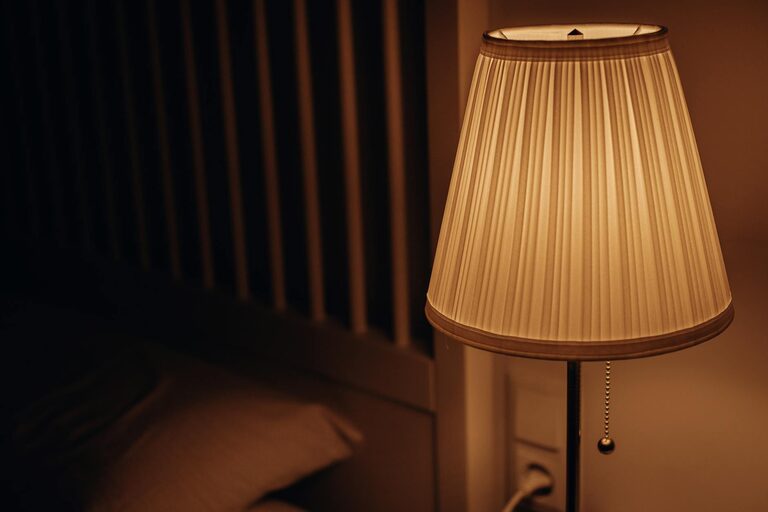
– Bedroom: Soft, dimmable lights aid in winding down before bed.
– Home Office: Bright, glare-free task lighting reduces eye strain during work.
Focus on Color Temperature
Lighting color temperature, measured in Kelvins (K), influences the room’s mood.
– Warm Light (2700K – 3000K): Creates a cozy, inviting atmosphere ideal for living rooms and bedrooms.
– Neutral Light (3500K – 4100K): Good for kitchens and bathrooms, balancing warmth and brightness.
– Cool Light (5000K – 6500K): Mimics daylight, enhancing focus – perfect for workspaces.
Choose bulbs with adjustable color temperatures if you want flexibility.
Opt for Dimmable Fixtures
Dimmers allow you to adjust light levels throughout the day or for different activities. This versatility increases comfort and helps save energy.
Pay Attention to Bulb Quality
Not all bulbs create comfortable lighting, even if the wattage and type appear similar.
– LED Bulbs: Energy-efficient, long-lasting, and offer a variety of color temperatures.
– Soft White Bulbs: Emit warmer light, great for relaxing spaces.
– Avoid Flickering: Flickering can cause discomfort and headaches.
Look for bulbs with a high Color Rendering Index (CRI) of 80 or above for more natural color accuracy.
Mind the Placement
Proper placement avoids glare and shadowing, which can make lighting uncomfortable.
– Avoid placing lights directly in your line of sight.
– Use lampshades or diffusers to soften light sources.
– Combine overhead lighting with floor or table lamps for balanced illumination.
Choose Fixtures that Complement Your Decor
Comfort also comes from feeling visually at ease in your space. Select fixtures that fit your style, whether modern, rustic, or traditional. The right fixture can enhance both function and aesthetic appeal.
—
Additional Practical Tips
– Use Multiple Light Sources: Multiple smaller fixtures often provide more comfortable light than a single large one.
– Incorporate Natural Light: Use sheer curtains to maximize daylight while reducing harsh sun rays.
– Consider Smart Lighting: Smart bulbs and controls offer customizable lighting schedules and moods at your fingertips.
– Test Before Committing: If possible, try bulbs or fixtures in your space before purchasing to observe their effect.
—
Conclusion
Choosing comfortable home lighting combines practical needs with personal style. By understanding lighting types, considering color temperature, using dimmers, selecting quality bulbs, and thoughtfully placing your fixtures, you can create a warm and inviting environment in any room.
Great lighting improves not only the look of your space but also how you feel in it every day. Take the time to plan your lighting carefully—it’s an investment in comfort and well-being at home.