
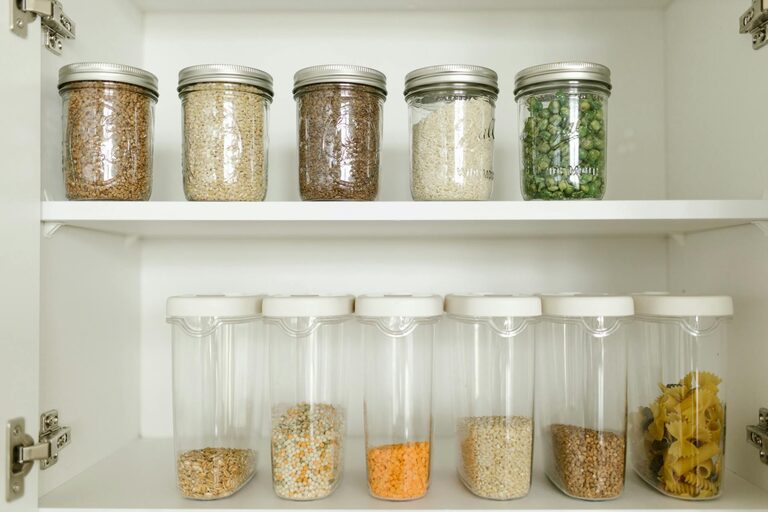
Keeping your fridge and pantry tidy can save you time, reduce food waste, and make cooking more enjoyable. A well-organized kitchen space not only looks appealing but also helps you find ingredients quickly and maintain freshness. If you’ve ever opened your fridge to a cluttered mess or struggled to find what you need in an overflowing pantry, this guide is for you. Here’s how to keep both spaces neat, orderly, and efficient.
Why Organize Your Fridge and Pantry?
Before diving into the tips, it’s helpful to understand the benefits of a tidy fridge and pantry:
– Reduce food waste: Clear visibility means you use items before they expire.
– Save money: Avoid buying duplicates of food you already have.
– Improve meal prep: Easy access to ingredients speeds up cooking.
– Maintain cleanliness: Regular organization cuts down spills and odors.
How to Organize Your Fridge
A fridge can quickly become chaotic if items are piled in randomly. Here’s a simple step-by-step process for fridge organization:
1. Empty and Clean Your Fridge
Start fresh by removing everything. Toss expired items — check dates and smells — and wipe down shelves and drawers with a mild cleaner or a mixture of water and vinegar. This prevents bacteria growth and odors.
2. Group Similar Items Together
Sort your food into categories:
– Dairy (milk, cheese, yogurt)
– Vegetables and fruits
– Condiments and sauces
– Meats and proteins
– Leftovers
Using clear bins or designated shelves for each group helps maintain order and makes items easy to find.
3. Use Storage Containers and Labels
Transfer small or loose items into airtight containers to keep the fridge tidy and protect food from spills. Label containers with contents and dates if possible. Labeling encourages you to use food timely.
4. Follow Fridge Temperature Zones
Different fridge areas have different temperatures:
– Top shelves: ready-to-eat foods like leftovers
– Lower shelves: raw meat (bottom shelf to prevent drips)
– Drawers: fruits and veggies (keep humidity levels appropriate)
– Door: condiments and beverages (avoid storing highly perishable foods here)
Organizing by these zones keeps food fresher longer.
5. Avoid Overcrowding
Overloading your fridge blocks air circulation, leading to uneven cooling and faster spoilage. Leave space for air to flow freely.
How to Organize Your Pantry
A pantry can easily get out of control as packages accumulate and older items get forgotten. Here is a strategy for organizing your pantry:
1. Clear Everything Out and Check Expiration Dates
Just like the fridge, start by emptying your pantry. Dispose of expired or stale items. Make a note of staples to restock.
2. Group Foods by Type
Sort pantry items into categories such as:
– Grains (rice, pasta, oats)
– Baking supplies (flour, sugar, baking powder)
– Canned goods
– Snacks
– Spices and herbs
– Breakfast foods (cereal, granola bars)
3. Use Clear, Stackable Containers
Transfer dry goods to uniform, clear containers to maximize space and keep pests away. Stackable containers save space and make your pantry look orderly.
4. Label Everything Clearly
Labels eliminate guesswork and make it easy for everyone in the household to maintain organization. Include contents and expiration if helpful.
5. Create Zones and Use Shelving Wisely
Assign shelves or sections for different food groups. Use shelf risers or tiered organizers to make all items visible and accessible.
6. Keep Frequently Used Items at Eye Level
Place staples and frequently used ingredients where you can easily reach them, leaving less-used items on higher or lower shelves.
Maintenance Tips: Keeping Your Fridge and Pantry Tidy
Organization is not just a one-time task. These tips help keep your fridge and pantry neat in the long run:
– Regularly check for expired products: Make it a habit to review your supplies every couple of weeks.
– Practice “first in, first out”: Place newer items behind older ones so you use up older food first.
– Clean spills immediately: Wipe up drips or messes to prevent stains and odors.
– Restock thoughtfully: Before buying more, check what you already have to avoid duplicates.
– Use baskets or bins for small items: Contain loose packets or snacks to prevent clutter.
– Set a monthly deep clean schedule: Dedicate time each month to take everything out, clean shelves, and reorganize.
Final Thoughts
A tidy fridge and pantry make cooking and meal planning more enjoyable and reduce waste. With some simple habits and smart storage choices, you can maintain an organized kitchen space that works for you. Start with a thorough cleaning and sorting session, then maintain the order with regular checks and smart storage. Soon, a clean, efficient refrigerator and pantry can be part of your everyday routine.
Happy organizing!