
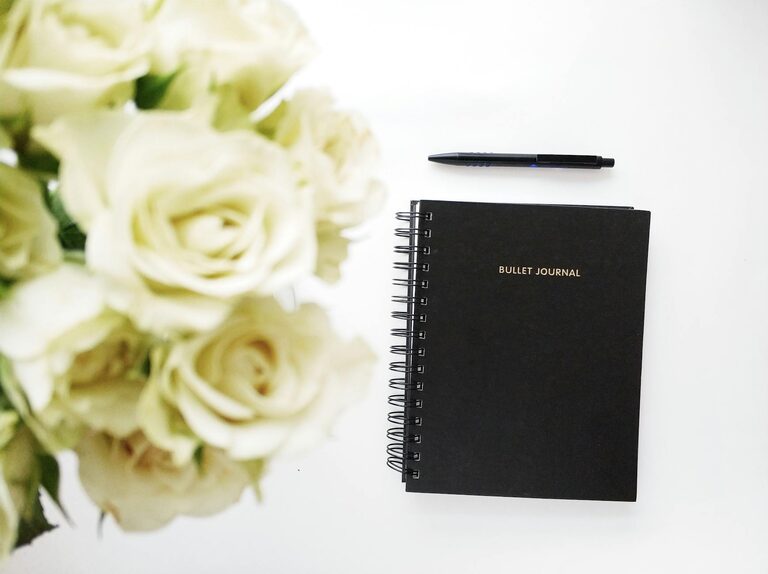
Starting a bullet journal can be a game-changer when it comes to organizing your daily life, managing tasks, and exploring your creativity. This beginner guide will walk you through the basics of bullet journaling and provide tips to help you get started quickly and confidently.
What Is Bullet Journaling?
Bullet journaling, often called “BuJo,” is a flexible system for personal organization invented by Ryder Carroll. It combines elements of a diary, planner, to-do list, and notebook. Instead of following a strict format, bullet journaling lets you customize pages to suit your needs—whether you want to track habits, set goals, or jot down ideas.
At its core, the bullet journal uses simple symbols (or “bullets”) to categorize entries and keep everything organized.
What You’ll Need to Get Started
One of the great things about bullet journaling is its simplicity. You don’t need expensive supplies to begin. Here’s a basic list:
– A notebook: dotted or grid notebooks work best, but any blank notebook will do
– A pen or pencil: something you enjoy writing with
– Optional: colored pens, markers, ruler, stickers, washi tape for decoration
You can start with a small notebook that fits your style or budget and upgrade as you learn more about your preferences.
Basic Bullet Journal Components
1. Index
The index acts as a table of contents. It helps you quickly find entries by listing page numbers and topics. Assign a page number to each new section or spread and note it down in your index.
2. Future Log
The future log gives you a place to record events, appointments, and goals for upcoming months. Divide a two-page spread into equal sections, each representing a month, and add important dates or reminders.
3. Monthly Log
Use the monthly log to overview the current month. It typically includes a calendar grid or list of days and space to write monthly goals or tasks.
4. Daily Log
The daily log is where the magic happens. Each day, jot down tasks, events, and notes using bullets and signifiers:
– Tasks: • (dot)
– Completed task: X
– Migrated task (moved to another day): >
– Event: O
– Note: – (dash)
This system keeps your entries clear and easy to scan.
How to Set Up Your First Bullet Journal Spread
- **Prepare your notebook:** Number your pages if your notebook isn’t pre-numbered.
- **Create an index:** Reserve the first few pages for your index.
- **Make your future log:** Sketch out a clean calendar for the next 3–6 months.
- **Set up the monthly log:** Create a list or calendar for the current month, with space to add tasks.
- **Start your daily logs:** Begin with today’s date and start adding your tasks, events, and notes.
Tips for Staying Consistent
– Start small: Don’t overwhelm yourself with elaborate spreads right away. Focus on what works for you.
– Keep it simple: Use basic bullets and layouts until you feel comfortable exploring more styles.
– Review regularly: At the end of each day or week, check off completed tasks and migrate any unfinished ones.
– Make it fun: Add color, doodles, or stickers if you like, but remember that function is more important than decoration.
– Use templates: There are many free printable bullet journal templates online that can inspire your own designs.
Benefits of Bullet Journaling
– Improved organization: Consolidate different lists, notes, and schedules in one place.
– Increased productivity: Prioritize tasks and track progress visually.
– Creative outlet: Personalize your journal with artwork, hand lettering, and colors.
– Mindfulness: The act of writing by hand encourages reflection and focus.
– Flexibility: Adapt the system to fit your lifestyle, whether for work, school, or personal growth.
Common Bullet Journal Ideas and Collections
– Habit trackers: Monitor habits such as water intake, exercise, or reading.
– Mood trackers: Record emotions and identify patterns over time.
– Gratitude logs: Write a few things you are grateful for each day.
– Goal setting: Break large objectives into manageable tasks.
– Meal planners: Plan out weekly meals and grocery lists.
– Budget trackers: Monitor expenses and savings goals.
Final Thoughts
Bullet journaling is a wonderful way to organize your life while fostering creativity and mindfulness. It’s a flexible method that you can adapt to suit your unique needs and preferences. Remember, there’s no perfect way to bullet journal—what matters most is finding a system that helps you stay organized and motivated.
Give it a try with just a pen and notebook. Over time, you’ll discover what layouts, symbols, and spreads work best for you. Happy journaling!